ComparisonTechnology leadership
CTO vs CIO: two technology executives, two different jobs
Both titles say 'technology', and in a small company one person often does both. They are still different jobs, with different customers, measures and risks. Here is how to tell them apart and decide which one your company needs.
- By
- Comtau Editorial
- Published
- Reading time
- 6 min
The short answer
- The CTO faces outward. The chief technology officer is usually accountable for the technology inside the product and for the engineering organisation that builds it.
- The CIO faces inward. The chief information officer is usually accountable for the systems, data and infrastructure that run the business itself.
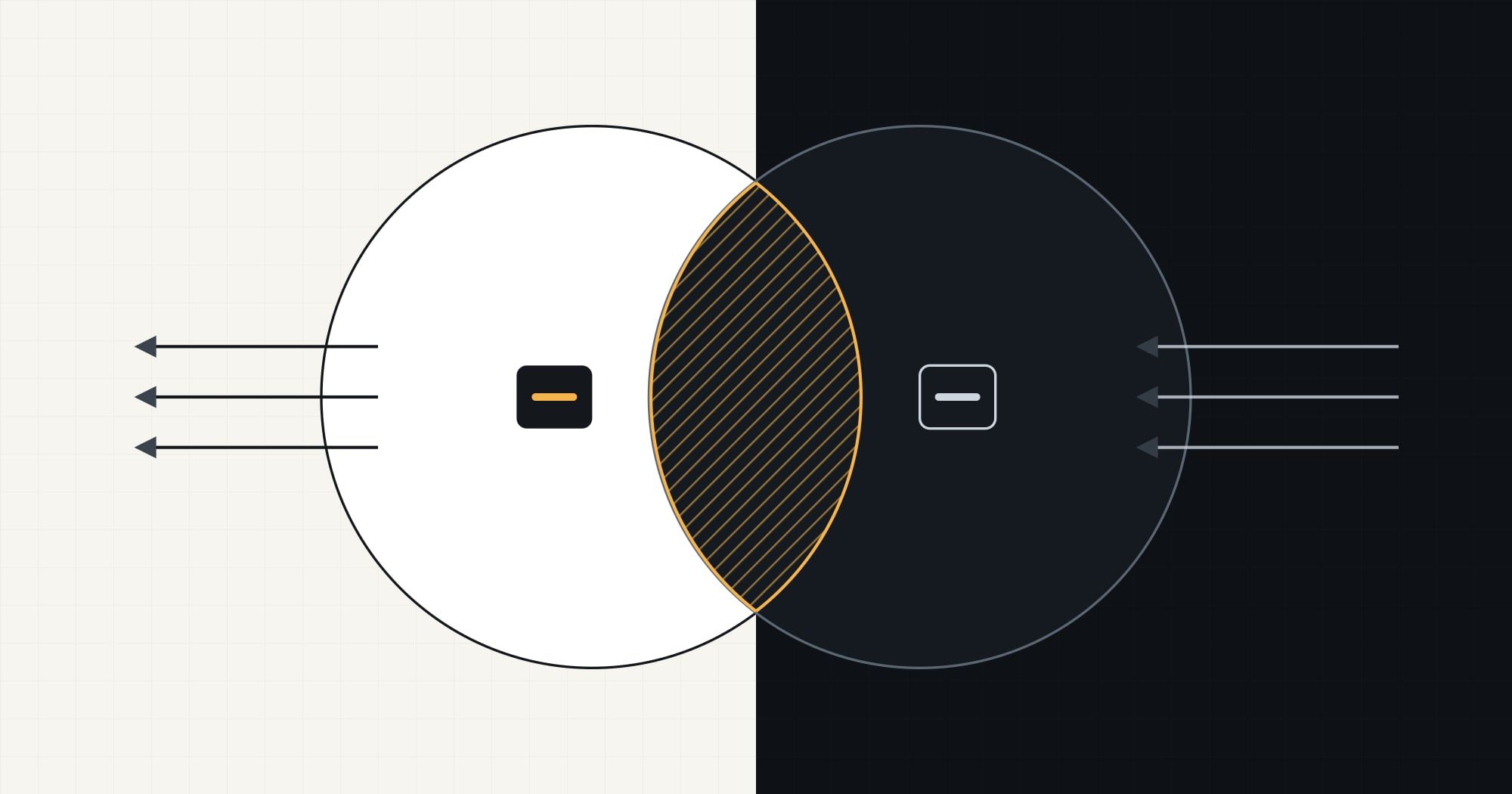
- The roles overlap on security, data, vendors and architecture standards. Those overlaps need explicit owners, or they end up owned by nobody.
- A software company usually needs a CTO first. A company whose product is not software, but whose operations depend on complex systems, usually needs a CIO first. Larger companies often have both.
The difference in one table
Titles vary between companies, so treat this as the common pattern rather than a rule. The point is the direction each role faces: towards customers and the product, or towards the organisation and its operations.
| Dimension | CTO (chief technology officer) | CIO (chief information officer) |
|---|---|---|
| Primary focus | Technology in the product and the platform it runs on | Systems and information that run the business |
| Main internal customers | Product, customers, the engineering team | Employees, finance, operations, sales and support |
| Typical systems | The product codebase, its architecture, cloud platform, developer tooling | ERP, CRM, finance systems, identity, workplace IT, data warehouse |
| Typical team | Software engineers, architects, platform and site reliability engineers | IT operations, business systems analysts, integration and data teams |
| Measured on | Product capability, delivery speed, reliability, technical risk | Service levels, cost efficiency, data quality, compliance, user productivity |
| Build or buy bias | Builds what differentiates the product | Mostly selects, integrates and runs purchased systems |
| Biggest risks owned | Architecture that cannot scale, security of the product, key-person dependence in engineering | Outages of business systems, data breaches in corporate systems, vendor and contract risk |
What a CIO does
A CIO is accountable for how information and internal technology make the organisation work. That typically includes choosing and running the core business applications, integrating them so that data flows between finance, sales and operations, managing identity and access for employees, running internal infrastructure and service desks, and owning much of the company’s compliance evidence for information systems.
The CIO’s work is often invisible to customers but very visible to employees. When it works, people have the data and tools they need. When it does not, every department feels it.
What a CTO does
A CTO is accountable for technology as part of what the company sells. That means the technology strategy behind the product, the architecture of the system, the engineering organisation, delivery and the technical risk the product carries. The role changes a great deal with company size, and is easiest to understand as five accountabilities; they are set out in what a CTO does.
In a software company, the CTO’s decisions show up directly in what customers experience: how fast features arrive, how reliable the product is, and how well it handles their data.
Where the two roles overlap
Most friction between a CTO and a CIO happens at the edges, where both have a legitimate claim. The fix is not a better org chart; it is naming an owner for each shared area and writing it down.
| Shared area | Common split | What goes wrong without an owner |
|---|---|---|
| Security | CTO owns product and platform security; CIO owns corporate systems and identity; one named person owns the overall security programme | Each assumes the other covers incident response, so nobody tests it |
| Data | CTO owns product data and its architecture; CIO owns reporting, the warehouse and business data quality | Two versions of key metrics, and no one accountable for which is right |
| Cloud and vendors | CTO owns the product platform and its providers; CIO owns business software contracts | Duplicate contracts, unmanaged spend, nobody tracking renewals |
| Architecture standards | CTO sets standards for the product; CIO for business systems; both agree on integration patterns | Integrations built twice, in incompatible ways |
| Compliance evidence | Each provides evidence for their systems; one owner assembles it | Audits and customer questionnaires become emergency projects |
Who reports to whom
There is no single correct structure. Common patterns include:
- Both report to the CEO. Typical in larger technology-led companies, where product technology and business systems are both strategic.
- The CIO reports to the CFO or COO. Common where internal systems are treated mainly as an operating cost and an efficiency lever.
- One person covers both. Common in smaller companies, where a CTO also owns internal IT, or an IT leader also oversees a small product team.
The last pattern is reasonable early on, as long as everyone understands that it is two jobs held by one person. Problems start when the company grows and the combined role keeps all of its scope by default.
Where the CEO fits
People also ask how a CTO compares with a CEO. The CEO is accountable for the whole company, including the decision about how much to invest in technology and who to trust with it. The CTO is accountable for the technology function within that. A CTO who is also a co-founder may carry more weight in company decisions than the title alone suggests, but the reporting line is still to the CEO and, through the CEO, to the board.
Which role does your company need?
The answer depends on two things: how much of the value you sell is technology, and how complex the systems are that run your business.
Which technology executive to prioritise
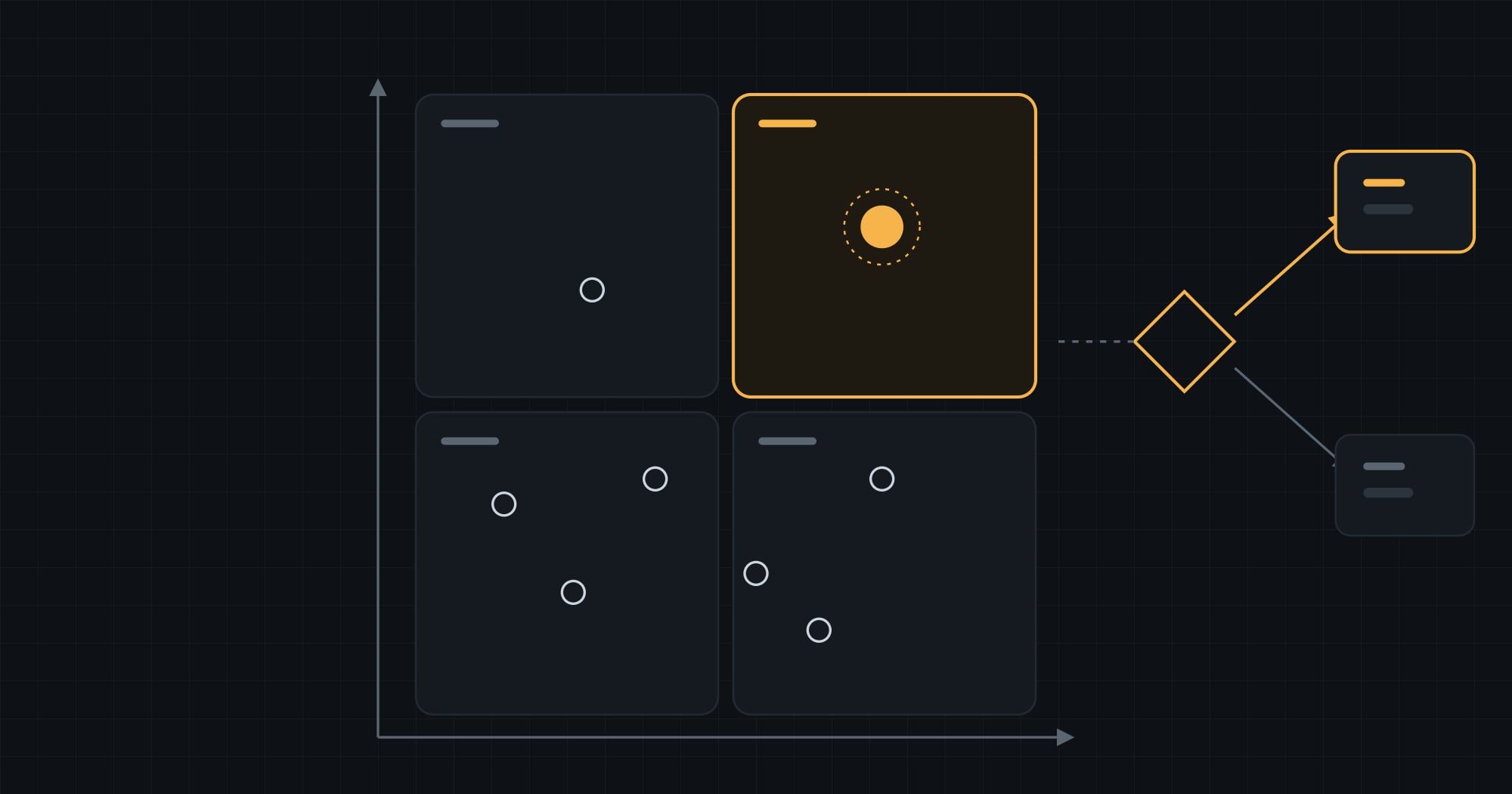
Decision matrix
- High product technology · simple internal systemsCTO firstA software or technology product company. The CTO may also cover internal IT while it stays small.
- High product technology · complex internal systemsBoth, with a written splitA scaling technology company with real operational complexity. Define the overlaps explicitly.
- Low product technology · simple internal systemsNeither full-time yetGood vendors and an advisor or part-time technology lead are usually enough.
- Low product technology · complex internal systemsCIO firstOperations depend on systems, integrations and data more than on a software product.
Common mistakes
- Giving the CTO title to the person who runs internal IT. The title then promises product leadership that the role was never designed to deliver.
- Expecting a CIO to lead product engineering. Selecting and integrating purchased systems is a different discipline from building a differentiated product.
- Leaving security between the chairs. It is the most common shared area, and the one where an unclear owner costs the most.
- Deciding the structure by title rather than by accountability. Start from what needs to be owned, then decide which person or role owns it.
If the company’s real gap is product technology leadership but a full-time executive is premature, a fractional CTO can own those accountabilities part-time. If the question is broader, such as how technology investment should be structured across product and operations, it is a technology strategy question rather than a hiring one.