
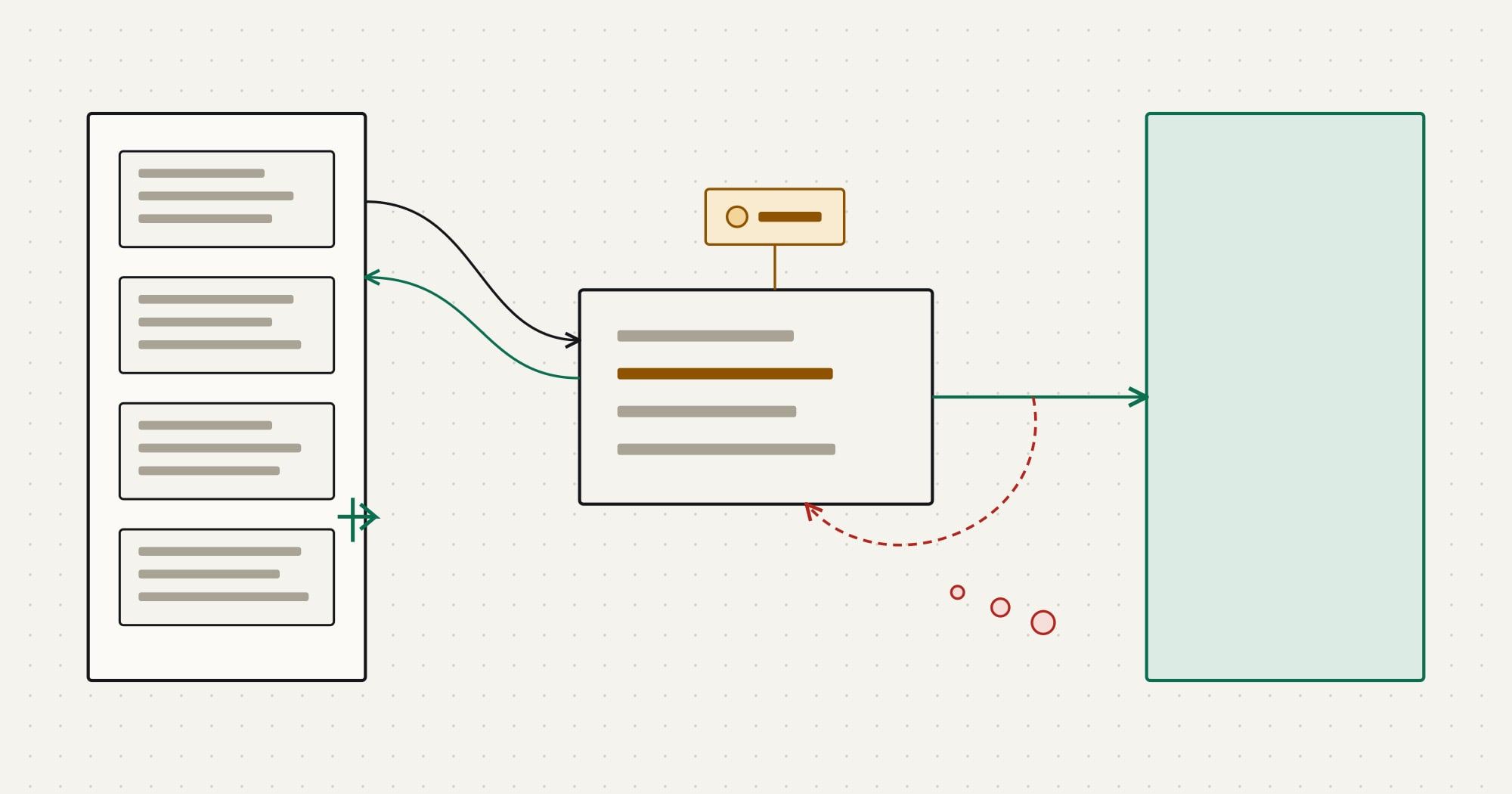
Implementation guideCRM APIs & sync
How to Build a CRM API Integration That Survives Production
A step-by-step guide to building a CRM API integration: service authentication, incremental sync, idempotent writes, webhooks, rate limits and testing.
Handshake · Port P2
A CRM API call that works in a demo is a small part of an integration. The rest is what happens on the thousandth call: tokens that expire, pages that shift while you read them, rate limits, duplicate webhook deliveries and records that changed on both sides.
This topic is for the engineers who build and run CRM connectors. It covers the mechanics that decide whether a sync stays correct over months, with platform-specific detail where a CRM’s own documentation supports it.
This topic answers
2 articles
Implementation guideCRM APIs & sync
A step-by-step guide to building a CRM API integration: service authentication, incremental sync, idempotent writes, webhooks, rate limits and testing.
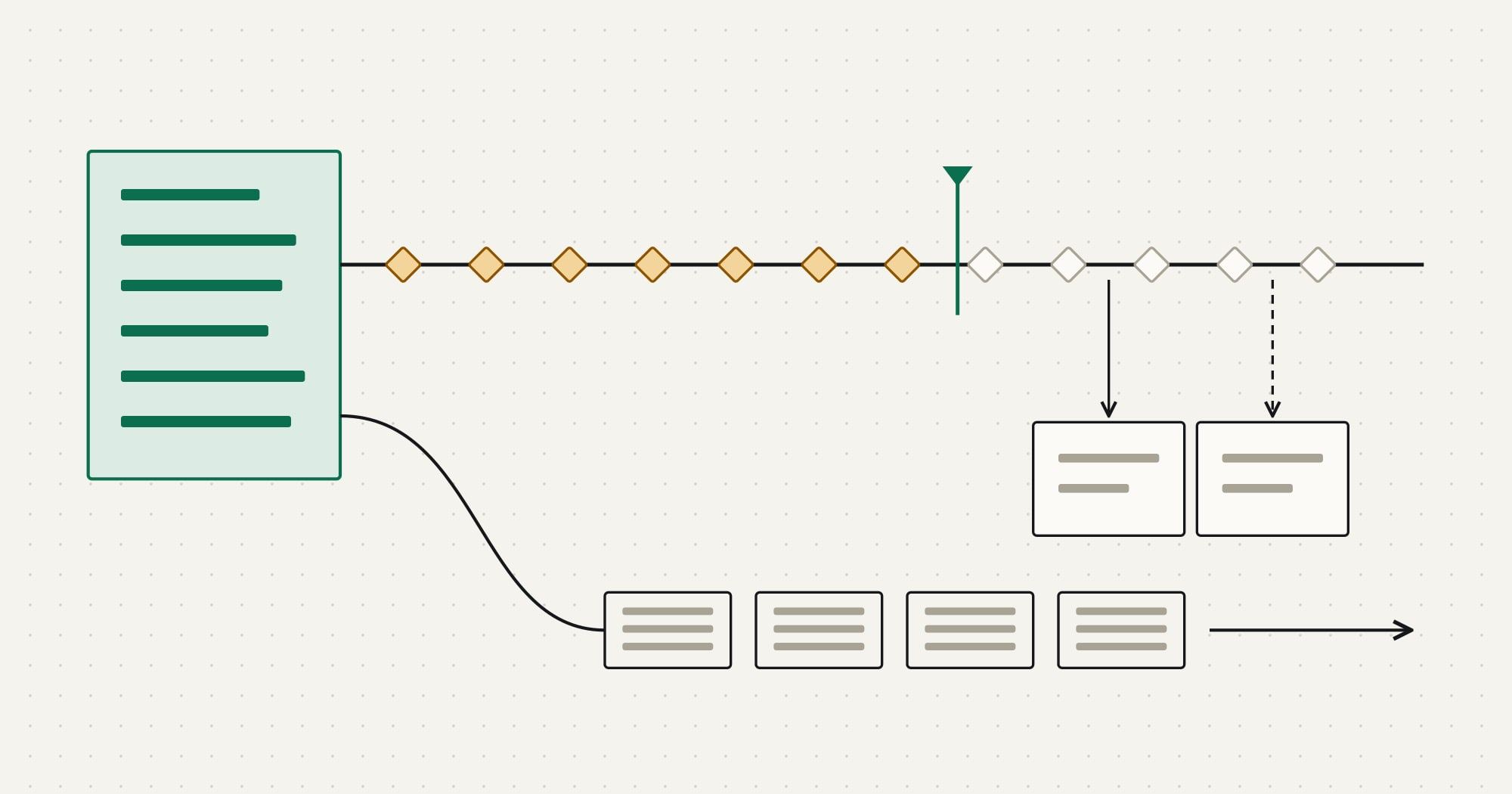
Architecture deep diveCRM APIs & sync
Salesforce integration explained by pattern: request and reply, fire and forget, batch sync, remote call-in and change events, with the right API for each.
Inside this topic
Jump straight to the part you need. Every section below is a heading in the article it belongs to.
Implementation guide · 12 min
Architecture deep dive · 8 min