
Journal6 articles3 topicsUpdated

Systems of RecordA journal on ERP, process automation and business systems architecture

How operational software is designed, connected and replaced: which system owns which record, how a process becomes dependable automation, and what to decide before anything is built. Written for operations leaders and the people who answer for their systems.

§ 01Front page

Featured articles

EXPExplainerERP & core systems9 min read

What is an ERP system? Meaning, modules and how it works

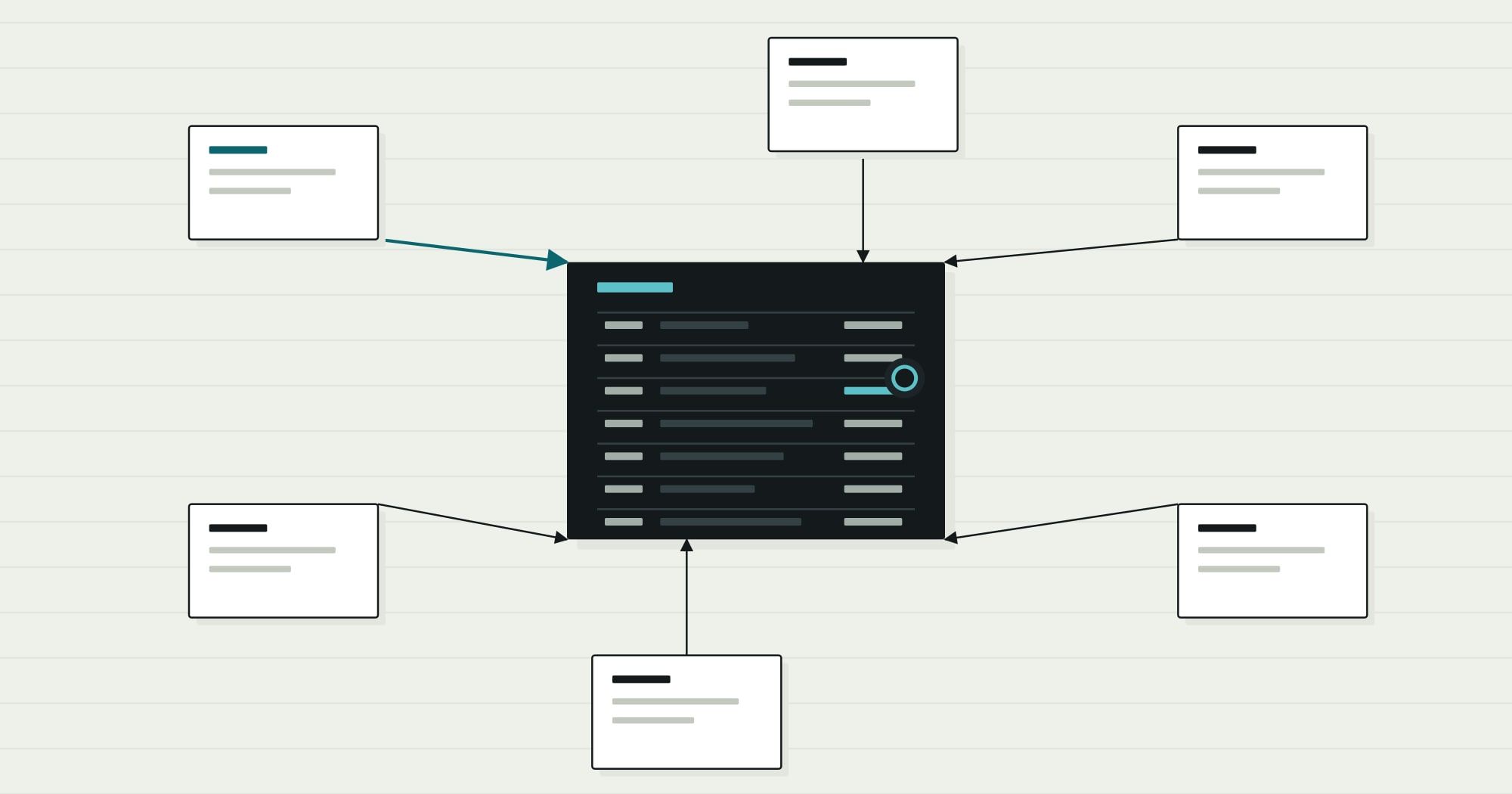
ERP stands for enterprise resource planning, but the useful definition is narrower: one shared set of business records that sales, purchasing, inventory and finance all read and write. Everything else follows from that.
§ 02Subjects

What the journal covers

Three subjects, chosen from the questions buyers and operators actually search for. Each one answers a different kind of question.

  1. § T1

    ERP & core systems

    What an ERP is, what it owns, and where specialist systems take over

    • What is an ERP system, and what does it actually do?
    • How do ERP, MRP and MES divide the work in manufacturing?
    • Which records should the ERP own, and which should it not?

    02 articles

  2. § T2

    Process automation & workflow

    Mapping, automating and governing the work that moves between people

    • What is business process automation, and what can it not do?
    • How do you map a process before automating it?
    • Which steps should stay with a person?

    02 articles

  3. § T3

    Systems architecture & integration

    Integration patterns, data ownership and replacing systems without stopping work

    • How should an ERP exchange data with the systems around it?
    • What happens when an integration fails at 2 a.m.?
    • Should a legacy system be rebuilt, replaced or wrapped?

    02 articles

§ 03Systems architecture & integration

How the systems fit together

Integration patterns, data ownership and modernization, written for the people who answer for the whole landscape rather than one application.

All articles on systems architecture

ARCArchitecture deep diveSystems architecture & integration8 min read

ERP integration architecture: patterns, data ownership and failure handling

How to design ERP integrations that hold up: system-of-record decisions, integration patterns, sync versus async, idempotent messages, retries, reconciliation.

  1. § 01 Start with ownership, not with connectors
  2. § 02 The four integration patterns
  3. § 03 Designing a message that can be repeated safely
  4. § 04 Failure handling: treat errors as a workflow
  5. § 05 Reconciliation: the control that catches everything else
  6. § 06 Security and operations

DECDecision frameworkSystems architecture & integration7 min read

How to modernize a legacy business system without stopping operations

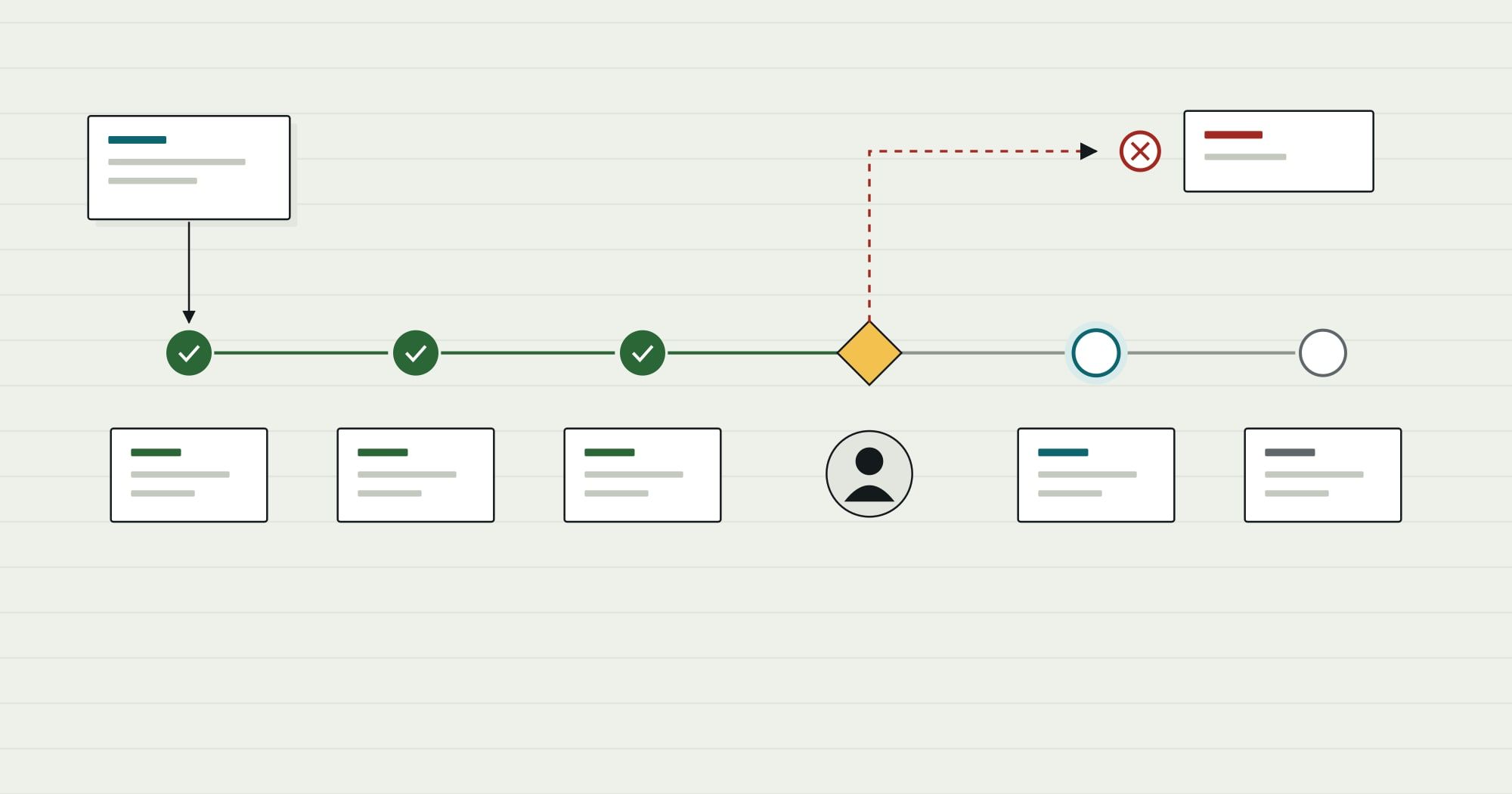
A decision framework for legacy system modernization: assess each capability, choose keep, wrap, replace or rebuild, then migrate data and cut over in phases.

  1. § 01 What makes a system "legacy"
  2. § 02 Step 1: inventory capabilities, not screens
  3. § 03 Step 2: choose a path for each capability
  4. § 04 Step 3: incremental or all at once
  5. § 05 Step 4: plan the data migration
  6. § 06 Step 5: run in parallel and define cutover criteria

§ 04Process automation guides

From a mapped process to an automated one

Practical material for operations leads: how to describe the work precisely, then decide which parts a system should run.

  1. Step 01 · Explainer

    What is business process automation? Definition, examples and limits

    Business process automation explained: its building blocks, examples by department, how it differs from RPA and workflow tools, and what it cannot fix.

    7 min read

  2. Step 02 · Implementation guide

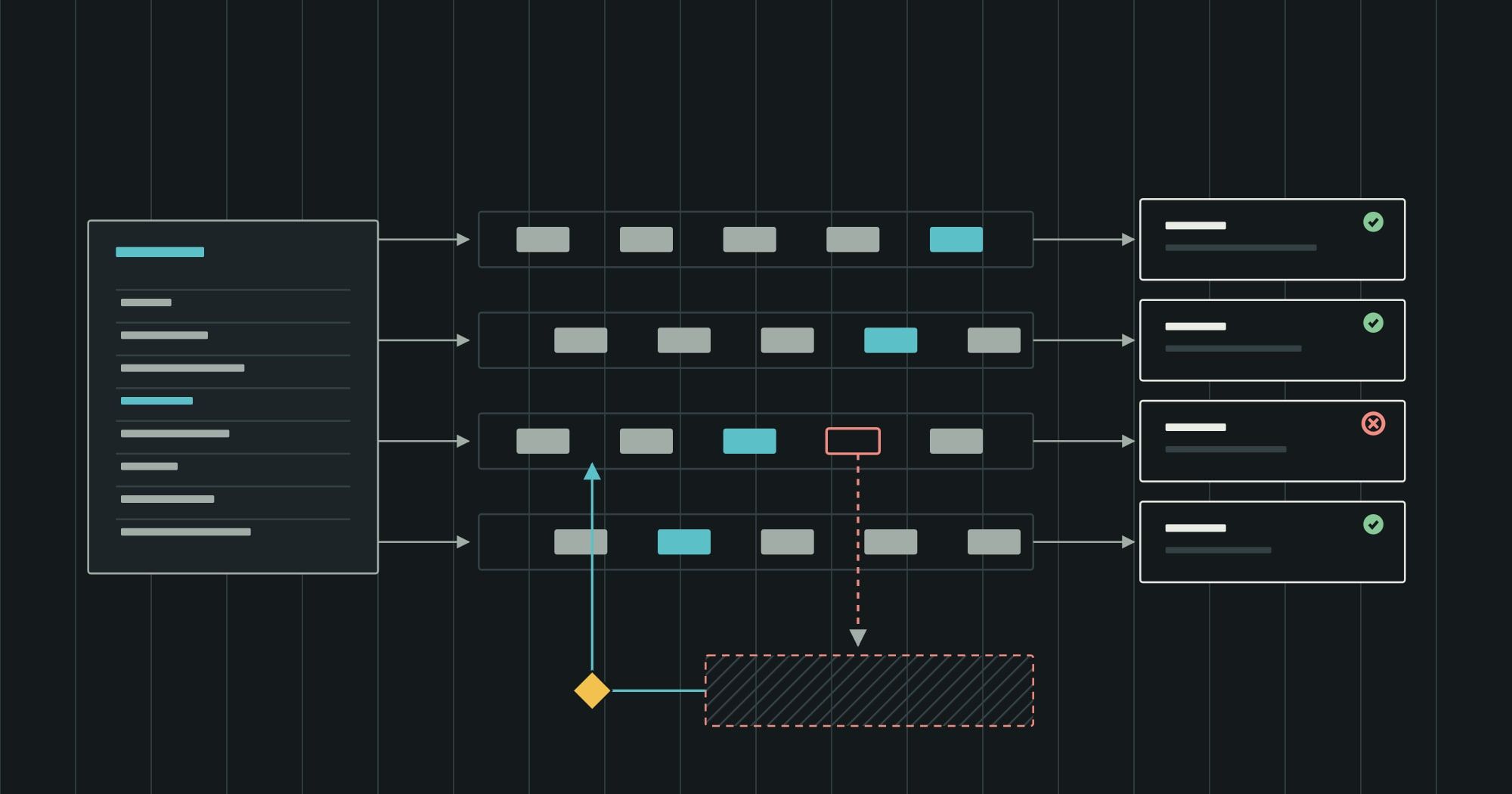
    How to map a business process before you automate it

    A swimlane map, a state list, an exception register and a rules table that a developer or automation tool can build from.

    7 min read

§ 05Decisions

Comparisons and decision frameworks

For the choices that are expensive to reverse: which system should own a job, and whether an old system should be rebuilt, replaced or kept.

§ 06Learning paths

Read in order

Short sequences that build on each other. Each path is complete: every article in it is published.

Designing a modern business systems architecture

Understand what the core system owns, connect the systems around it deliberately, then replace what no longer fits without stopping operations.

  1. Know the coreWhat is an ERP system? Meaning, modules and how it works
  2. Connect the systemsERP integration architecture: patterns, data ownership and failure handling
  3. Replace safelyHow to modernize a legacy business system without stopping operations

3 articles · 24 min in total

From manual workflows to automated operations

Learn what automation can and cannot do, describe the work precisely enough to automate it, then connect the systems the process runs through.

  1. Understand automationWhat is business process automation? Definition, examples and limits
  2. Map the workHow to map a business process before you automate it
  3. Connect the systemsERP integration architecture: patterns, data ownership and failure handling

3 articles · 22 min in total

§ 07Index

All articles, newest first

PublishedFormatArticleTopicReading
ARC Architecture deep diveERP integration architecture: patterns, data ownership and failure handlingSystems architecture & integration8 min
CMP ComparisonERP vs MRP vs MES: which system runs which part of manufacturingERP & core systems7 min
GDE Implementation guideHow to map a business process before you automate itProcess automation & workflow7 min
DEC Decision frameworkHow to modernize a legacy business system without stopping operationsSystems architecture & integration7 min
EXP ExplainerWhat is an ERP system? Meaning, modules and how it worksERP & core systems9 min
EXP ExplainerWhat is business process automation? Definition, examples and limitsProcess automation & workflow7 min